The east coast of Sri Lanka feels different from the more visited southern shoreline. Here, the sea stays calm for long stretches of the year, and the beach feels less crowded.
For anglers, this creates a very specific kind of opportunity. Fishing in Sri Lanka’s east coast is not built around large commercial fleets or highly developed charter hubs. Instead, it is created by local knowledge, seasonal movement, and access to deeper waters just beyond the coastline.
If you are planning a trip, it helps to know that conditions, techniques, and trip formats can vary from one location to another.
What Makes the East Coast Suitable for Fishing
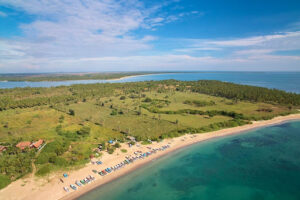
The best time for fishing in Sri Lanka’s east coast is from May to September, when the sea becomes noticeably calmer.
During these months, places like Pasikuda see fewer rough waves, making it easier to head out without long or uncomfortable rides.
This improves the overall trip in simple ways:
- Boats can travel further offshore with less effort
- More time is spent fishing instead of moving between spots
- Access to deeper water is quicker due to nearby drop-offs
Because of this, fishing trips feel steadier and easier to plan, especially for those looking to make the most of their time on the water.
Types of Fishing on Sri Lanka’s East Coast
To plan your trip properly, it helps to understand the main fishing styles available along the coast.
Nearshore and Lagoon Fishing
This takes place close to the shoreline in shallow, calm waters.
You can expect:
- Short trips lasting 1-3 hours
- Minimal waves and steady conditions
- Light gear or handline fishing
- Smaller reef fish
This works best as a relaxed session rather than a full fishing-focused outing.
Bottom Line Fishing (Reef-Based Fishing)
Bottom line fishing is where the experience starts to become more engaging.
This technique involves dropping weighted bait to the seabed, targeting species that stay close to reefs and rocky structures.
You can expect:
- Fishing along reef edges and rocky areas
- Species like snapper and grouper
- A slower, more controlled technique
Unlike surface fishing, this approach suits anglers who are comfortable managing depth and timing.
Deep Sea Fishing (Offshore Trips)
Offshore trips take you beyond reef lines into deeper waters where larger species move.
You can expect:
- Travel beyond reef lines into deeper waters
- Techniques like trolling or drift fishing
- Stronger fish and longer fights
Possible catch includes:
- Yellowfin tuna
- Giant trevally
- Barracuda
- Sailfish (seasonal)
These trips depend heavily on sea conditions and fish movement, so they are usually confirmed closer to the date rather than fixed in advance.
How Fishing Trips Are Organised on the East Coast
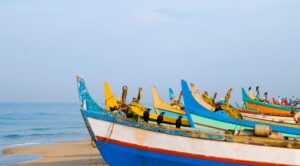
Fishing trips here are not heavily commercialised.
Most outings are:
- Coordinated through local operators
- Based on daily sea conditions
- Guided by fishermen familiar with the waters
Because of this, timing may change. Being flexible allows you to make better use of favourable conditions.
Best Places for Fishing on the East Coast
Not all areas along the coast provide the same type of fishing.
Pasikuda (Balanced and Accessible)
Pasikuda is known for:
- Calm waters during the season
- Quick access to deeper fishing zones
- Easier trip planning through nearby 4-star hotels
This makes it suitable for both relaxed sessions and more focused fishing trips.
Trincomalee
Located further north, Trincomalee has deeper waters and slightly more developed fishing options.
- Better suited for offshore trolling
- Higher chance of encountering larger pelagic species
- Slightly longer travel distances offshore
This location suits anglers focused on deep-sea fishing.
Arugam Bay
Arugam Bay is better known for surfing, but fishing is still possible.
- Less structured fishing options
- More dependent on local arrangements
- Works best as a secondary activity
Compared to Pasikuda, it is not as reliable for planned fishing trips.
Staying Close to the Coast for Fishing Trips
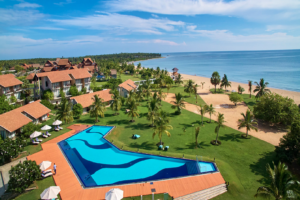
For those planning multiple trips, staying close to the coastline helps reduce travel time and improves flexibility.
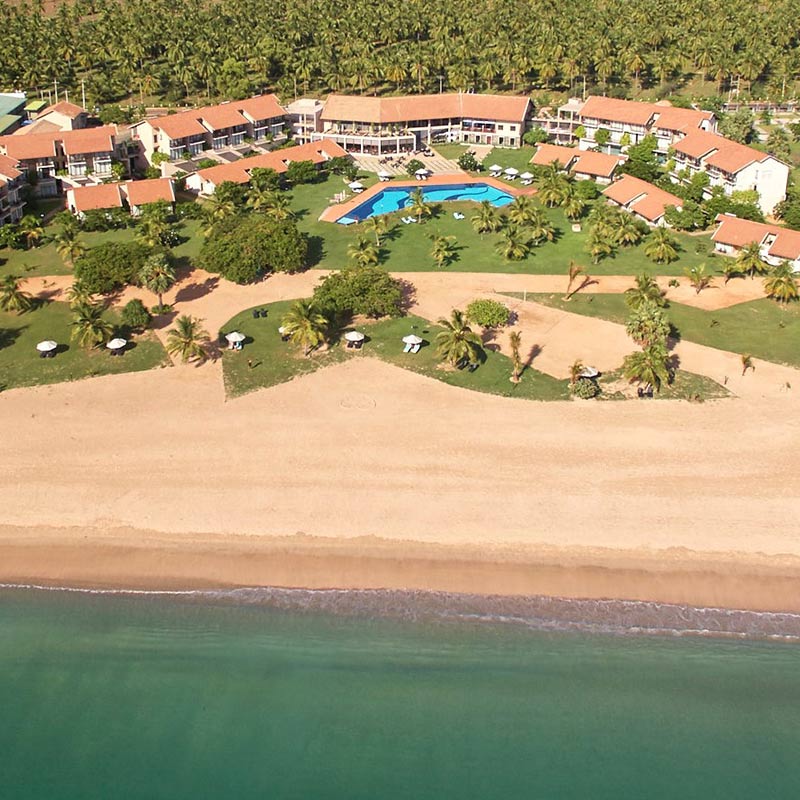
Choosing Pasikuda beach hotels helps you stay close to fishing points and adjust plans based on daily conditions.
The Calm Resort & Spa sits directly along this coastline, making it easier to access nearby fishing spots.
This allows:
- Quick access for morning fishing sessions
- Easy coordination with local operators
- A quiet setting between trips
Fishing can be arranged by the hotel as part of a wider set of coastal activities, making it easy to balance time on the water with time to slow down.
In Pasikuda, you can head out for a morning session and return to a relaxed beach setting later in the day. This is why it fits naturally among the things to do in Pasikuda.
You can combine your time on the water with:
- Relaxed beach time along the shoreline
- Light water activities such as snorkelling
- Evenings spent cycling around nearby villages
With The Calm Resort & Spa, this kind of flexibility makes it easier to plan your day around the sea rather than follow a fixed schedule.
Practical Tips Before Planning Your Fishing Trip
A few simple steps can improve your trip:
- Confirm the type of fishing before booking
- Check boat safety and equipment
- Start early in the morning for better results
- Stay flexible with timing
Among Pasikuda beach hotels, staying at The Calm Resort & Spa gives you easier access to fishing trips, with local arrangements handled smoothly.
Planning Your Fishing Trip on Sri Lanka’s East Coast
A fishing trip to Sri Lanka’s east coast provides a quieter and more flexible experience compared to larger fishing destinations.
It may not follow a fixed structure, it gives you access to calm waters, reef zones, and offshore areas within a short distance.
Staying in places like Pasikuda helps you plan around changing conditions while keeping the trip relaxed. With the right base, such as The Calm Resort & Spa, it becomes easier to balance your time at sea with time to slow down.