
Panchakarma is one of the most recognised therapies in Ayurvedic medicine. Known for its structured approach to detox and restoration, it is mostly recommended for people seeking deeper healing rather than a short wellness break.
Yet for first-time visitors to Sri Lanka, the process can feel unfamiliar. Many travellers ask a simple question before beginning: what actually happens during Panchakarma treatment?
Panchakarma follows a carefully guided process that moves through several stages designed to prepare the body, support cleansing and gradually bring it back to balance. It is not a quick spa treatment but a structured therapeutic programme that requires time and professional guidance.
If you are unsure whether the treatment is suitable for you, it helps to understand who can safely undergo Panchakarma and when medical guidance is required.
For those beginning their first Panchakarma treatment in Sri Lanka, here is what you can expect:
Your Initial Consultation with the Ayurvedic Doctor
Every Panchakarma programme begins with a detailed consultation. An Ayurvedic doctor will review your health history, digestion patterns, sleep quality, stress levels and lifestyle habits. This conversation allows the doctor understand your body constitution and current imbalances.
For many people seeking a Panchakarma kur in Sri Lanka, this personalised assessment is an essential first step. Based on this, the doctor recommends a treatment plan designed specifically for you. Panchakarma is never a one-size-fits-all procedure. The therapies, diet and duration are adjusted to match each guest’s condition.
This consultation also gives you the chance to ask questions about the process and understand how your treatment will proceed during your stay.
The Preparation Phase (Purva Karma)
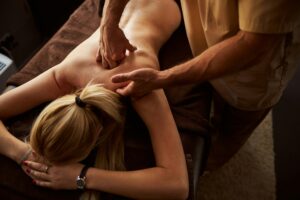
Before detox therapies begin, the body must first be prepared. This stage is called Purva Karma, which gently prepares your system for cleansing.
Preparation therapies include:
- warm herbal oil massages
- mild sweating treatments
- internal or external oleation using medicated oils
- adjustments to daily meals
These therapies loosen toxins that have settled deep within the tissues. By softening and mobilising them, the body becomes ready for the main cleansing stage.
You may notice subtle changes during this phase. Digestion may feel lighter, sleep may improve, and the body shifts into a slower rhythm.
The Detox Phase: Main Panchakarma Therapies
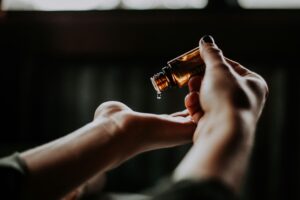
Once the body is prepared, the doctor introduces selected detox therapies.
Classical Ayurveda describes five primary Panchakarma treatments. However, not every guest receives all five. The doctor chooses therapies according to the individual’s condition and treatment goals.
Depending on the programme, detox therapies may include:
- therapeutic cleansing procedures
- herbal enemas, designed to support digestion and elimination
- nasal treatments to clear accumulated toxins in the head and sinus passages
These Ayurvedic treatments are always carefully supervised and scheduled to give the body time to respond.
The goal is not aggressive cleansing. Instead, Panchakarma works slowly, supporting the body’s natural ability to remove toxins and stabilise digestion and energy levels.
What Your Daily Routine May Look Like
Guests usually ask what a typical day looks like during Panchakarma. The rhythm is usually calm and structured.
A day may include:
- an early start with warm herbal drinks
- a doctor’s consultation or progress check
- personalised therapy sessions
- simple Ayurvedic meals designed to support digestion
- rest between treatments
- quiet activities such as meditation or gentle yoga
Unlike a typical holiday itinerary, Panchakarma days are intentionally slower. Rest is considered part of the therapy. The body uses this time to process the detox treatments and restore its natural rhythm.
Physical And Emotional Changes That First-Time Guests May Notice
Because Panchakarma works on deep cleansing, guests may notice temporary physical changes during the process.
These may include:
- mild fatigue during detox days
- shifts in appetite as digestion resets
- emotional sensitivity as the body releases stored stress
- gradual improvement in sleep and mental clarity
These responses are usually short-lived and monitored closely by the Ayurvedic doctor. By the later stages of the programme, many guests report feeling lighter, calmer and more at ease.
Why Does Panchakarma Usually Require 7–14 Days?
One common misunderstanding about Panchakarma is that it can be completed in a few days. In reality, meaningful detox requires time. While short detox programmes may introduce some therapies, a longer stay helps the body to complete each stage properly.
The preparation stage itself may take several days before the body is ready for cleansing therapies. Detox treatments then follow step by step, letting the body to respond safely. Finally, a recovery period helps restore digestive strength and energy.
Because of these stages, authentic Panchakarma programmes usually last between 1 and 2 weeks. This timeline allows the treatment to work properly without rushing the process.
For deeper results, longer stays are often recommended.
Why Environment Matters During Panchakarma
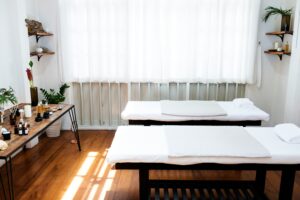
The setting where Panchakarma takes place also plays an important role in the experience. Detox therapies work best in calm surroundings where guests can rest and disconnect from daily stress.
Retreats such as Ayugiri Ayurveda Wellness Resort offer peaceful, natural environments designed for supervised wellness programmes. Guests who wish to understand how Panchakarma detox programmes are structured during a wellness retreat can learn more about the process and therapies offered during their stay.
In addition to personalised therapies, the Ayurveda retreat’s facilities provide quiet spaces for rest, yoga and meditation, so that you can focus fully on recovery.
Here’s How to Prepare for Your First Panchakarma Stay
Preparing a few days before arrival can make the experience smoother.
Helpful steps include:
- reducing caffeine and heavy meals
- avoiding alcohol before the treatment begins
- allocating time to rest rather than planning a busy travel schedule
- approaching the treatment with patience and openness
These small adjustments let the body adapt more easily once therapies begin.
Begin Your Panchakarma Journey in Sri Lanka
Your first Panchakarma experience is guided carefully by experienced Ayurvedic doctors. Each stage is designed to prepare, cleanse and support the body’s recovery.
As the days progress, you will begin to notice lighter digestion, improved sleep and a calmer state of mind. With enough time and proper guidance, Panchakarma can become a meaningful step toward better well-being.
If you are planning a Panchakarma stay in Sri Lanka, you can learn more about the programmes offered at Ayugiri Ayurveda Wellness Resort or contact the team for further information about treatments and bookings.


