
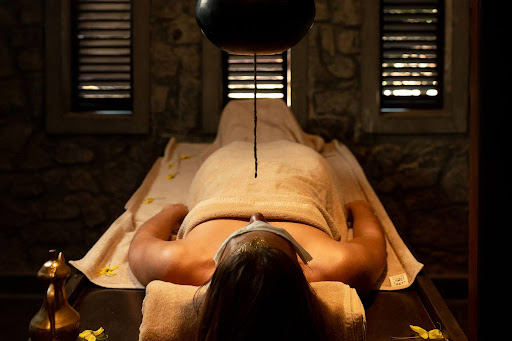
Panchakarma is known as one of the most structured cleansing therapies in Ayurveda. It is designed to remove accumulated toxins, restore digestive strength, and rebalance the body.
But one question deserves a clear answer.
Is Panchakarma safe for everyone?
The honest response is that Panchakarma is safe when it is properly supervised, carefully assessed, and personalised to the individual. It is not suitable for every person at every stage of life. Like any therapeutic procedure, it requires professional evaluation and timing.
Understanding why that matters helps you make an informed decision.
Why Does Panchakarma Require Medical Assessment?
Panchakarma is not a relaxation treatment. It is a classical Ayurvedic medical process with three distinct phases: preparation, elimination, and recovery.
Each stage influences digestion, circulation, and overall strength.
Before your Ayurveda treatment begins, a qualified Ayurvedic physician should review:
- Your medical history
- Current symptoms
- Digestive strength
- Energy levels
- Ongoing medications
- Chronic health conditions
In Ayurveda, treatment is based on constitution and current imbalance. Two individuals with similar symptoms may require completely different approaches.
Without proper assessment, the body may not be ready for deep cleansing. A responsible centre evaluates whether you are ready for it before beginning.
Who Can or Cannot Do Panchakarma?
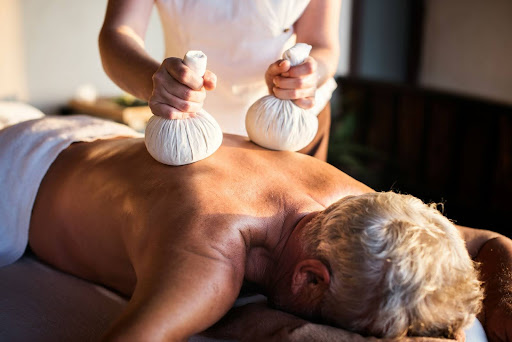
Panchakarma is not automatically recommended for everyone. It is designed for individuals whose bodies are strong enough to undergo cleansing and who have been properly assessed by a qualified Ayurvedic doctor.
Who Can Do Panchakarma?
Panchakarma may be suitable for individuals who:
- Experience chronic stress or burnout
- Have an ongoing digestive imbalance, such as bloating or irregular appetite
- Struggle with persistent fatigue
- Are going through hormonal transitions in midlife
- Feel a general sense of heaviness or internal imbalance
In these cases, supervised cleansing can help restore digestive strength and improve overall balance. The key factor is proper medical evaluation before beginning.
Who Should Not Do Panchakarma?
Panchakarma may not be suitable, or may need to be postponed, for:
- Pregnant women
- Individuals with severe weakness or extreme exhaustion
- Those with acute infections or fever
- People with unstable or advanced medical conditions without clearance
- Very elderly individuals without a physician assessment
This does not mean Ayurveda is unsuitable for these individuals. In many cases, supportive or strengthening therapies are recommended first. Once the body regains stability, deeper cleansing may become appropriate.
Common Concerns About Panchakarma Safety
It is natural to feel cautious before beginning a detox programme.
Some common concerns include:
Will I feel weak?
Can symptoms temporarily intensify?
Is the process uncomfortable?
During elimination, the body releases accumulated waste. Mild fatigue or temporary changes can occur. This is why daily monitoring is essential.
When supervised properly, treatment intensity is adjusted according to how the body responds. Panchakarma should never feel overwhelming. If discomfort appears, the physician modifies the plan.
Safety in Panchakarma lies in observation and adjustment.
Why It Is Important to Choose a Certified Ayurvedic Centre
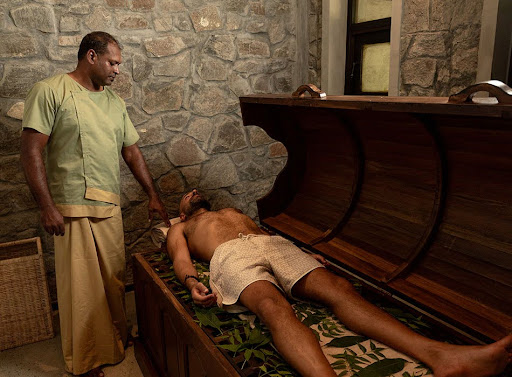
The environment where Panchakarma is performed plays a critical role in safety.
In some commercial detox retreats, cleansing therapies are delivered in short packages without thorough medical evaluation. When preparation is rushed and monitoring is limited, the body may not respond well.
This is why Ayurveda retreats and centres providing a Panchakarma Kur in Sri Lanka are required to be registered with the Department of Ayurveda and approved by the relevant authorities. Under the regulation of private Ayurvedic medical institutions in Sri Lanka, centres must meet nationally recognised standards designed to protect patient safety and ensure professional oversight.
A certified Ayurvedic retreat ensures:
- Qualified physicians conduct consultations
- Treatment plans are individualised
- Daily clinical monitoring is provided
- Diet supports digestive strength
- Aftercare guidance is structured
How Ayugiri Ensures a Safe and Structured Panchakarma Programme
Being a certified Ayurveda retreat, Ayugiri Ayurveda Wellness Resort in Sri Lanka approaches Panchakarma as a structured medical programme rather than a trend.
Each guest begins with a detailed consultation where health history, digestive strength, and lifestyle factors are carefully assessed.
Preparation is gradual here, allowing the body to adapt before elimination therapies begin. Throughout the cleansing phase, your progress is monitored daily by a dedicated physician.
For those who would like to understand the full scope of the structured Panchakarma programme in Sri Lanka, including preparation, detoxification, and recovery phases, a detailed overview of the treatment journey explains how each stage is carefully sequenced for safety and effectiveness at Ayugiri.
Your diet is supervised to maintain strength, and recovery includes clear dietary and lifestyle guidance to support lasting results.
This careful, step-by-step approach reduces risk and promotes steady, sustainable balance.
How Long Is the Panchakarma Treatment?
Panchakarma was never designed to be rushed.
As mentioned above, a complete programme includes:
- Preparation
- Elimination
- Restoration
Compressing these stages into a short timeframe may increase strain. A longer duration allows your body to adapt gradually and rebuild properly.
Programmes lasting 14 or 21 days provide space for careful monitoring and sufficient recovery. This reduces excessive fatigue and supports long-term balance.
Safety is not just about avoiding complications. It is about giving enough time to your body to respond gently.
Ensure Panchakarma is Right for You
Panchakarma is powerful, which is why it must be approached responsibly.
The key question is not whether Panchakarma is safe in general, but whether it is appropriate for you at this time. A proper medical consultation provides that clarity. When conducted in a certified setting under physician supervision, it is considered safe for suitable candidates. However, when rushed or performed without evaluation, it may place unnecessary strain on the body.
If you are considering Panchakarma and would like personalised medical guidance, our physician-led team at Ayugiri Ayurveda Wellness Resort can assess your condition and recommend a suitable programme. Contact us directly to discuss your health history and receive structured advice before beginning treatment.


