
Preparing for Panchakarma in Sri Lanka takes more planning than booking a spa break. This list covers what to ask a resort, what to tell your own doctor, and how to plan timing and recovery.
It draws on the Victorian Department of Health in Australia (2023), the US National Center for Complementary and Integrative Health (NCCIH, 2019), the Charak Samhita project run from Jamnagar, India (2024), and Sri Lanka’s Ayurveda Act (2023). Where the sources differ, the article says so. Some are several years old, so check the details with your resort.
What Panchakarma involves
Panchakarma is Sanskrit for “five actions”. The Charak Samhita project describes three stages for each procedure:
- Preparation (purvakarma): therapies to stimulate digestion and clear undigested material, followed by oleation (oils applied externally and taken internally) and sudation (induced sweating). Together they loosen the doshas and bring them towards the gut.
- Main procedure (pradhanakarma): the cleansing therapy, chosen to suit the person’s condition. For a healthy person on a preventive regimen, the project gives the sequence as vomiting, purgation, two types of enema and nasal administration. For illness, one or more procedures are used until the doshas are in balance.
- Post-therapy regimen (paschatkarma): a set diet and lifestyle plan, because strength is reduced once the excess dosha has been expelled.
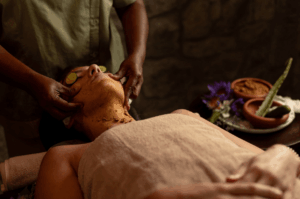
A single massage at an ayurveda spa in Sri Lanka is not the same as a programme that follows all three stages under a doctor’s direction.
Before you book: choosing a place for Panchakarma in Sri Lanka
1. Who will treat you?
- Victoria’s health department warns that Panchakarma may be harmful when performed by an inexperienced practitioner. Ask about qualifications and experience. A resort should be able to name the doctor in charge of your programme.
- Sri Lanka’s Ayurveda Act sets up an Ayurveda Medical Council that registers practitioners, and makes it an offence to practise for gain without registration. Ask whether the supervising doctor is registered.
2. Will a doctor assess you first?
- The classical texts weigh the state of the doshas and the person’s strength, including other medical conditions. The Charak project lists low strength and unwillingness to undergo treatment among the reasons not to proceed, and warns that excessive or inadequate administration leads to complications. A programme assigned without an assessment does not follow that logic.

3. What is in the programme?
- The sources disagree on the five procedures. The Charak project lists vomiting, purgation, two types of enema and nasal administration. Another classical text it cites reaches five by merging the enemas and adding bloodletting, which the Charak project does not support. Victoria’s health department lists vomiting, enemas and bloodletting.
- Modified external oil and heat therapies, known as Keraliya Panchakarma, are also widely promoted under the name.
- Programmes advertised as Panchakarma in Sri Lanka can therefore differ. Ask for the therapies by name, and why each suits you.
4. Where do the medicines come from?
- NCCIH reports that some Ayurvedic preparations may contain lead, mercury or arsenic in amounts that can be toxic. Its figures come from studies published up to 2015, so current rates may differ. Victoria’s health department has reported lead poisoning linked to imported Ayurvedic treatments. These findings concern preparations in general, not any one country or resort.
- Victoria’s health department adds that practitioners may consider some toxic ingredients safe, so a full ingredient list matters. It also says a preparation whose origin or ingredients you cannot identify is safer left untaken.
- Sri Lanka’s Ayurveda Act provides for registering Ayurveda pharmacies, and regulations gazetted in April 2024 provide for a council overseeing the manufacture, quality control and import of Ayurveda products. Registration details may have changed since, so ask where the preparations are made and whether the pharmacy is registered.
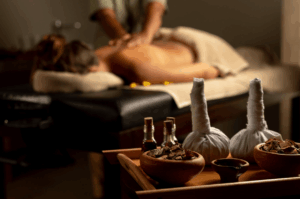
Before you travel: health, timing and recovery
5. See your own doctor first
- NCCIH advises discussing Ayurvedic products with your regular provider if you have a health condition, and not using them to delay conventional care.
- Never stop or change a conventional medicine without your doctor’s approval (Victoria’s health department).
- If you are pregnant or breastfeeding, ask your doctor first. Most complementary medicines have not been tested in these groups, and some Ayurvedic products may contain harmful ingredients.
6. Bring your health history in writing
- List your medicines and supplements with doses, diagnoses, allergies, past surgery and recent test results. Hand a copy to the Ayurveda doctor at your consultation. NCCIH also advises telling all your health care providers about any complementary approach you use, so share your plans with your regular doctor too.
7. Ask about timing
- For healthy people on a preventive regimen, the Charak project’s seasonal table pairs enema with the early rains (mid-June to mid-August), purgation with autumn (mid-October to mid-December) and vomiting with spring (mid-February to mid-April). The months are given for the Indian subcontinent as a whole.
- The same source lists an unfavourable season as a reason to delay, except in an emergency.
- Sri Lanka’s weather varies by region and monsoon, with wet, intermediate and dry zones. Ask the doctor how the resort handles seasonal timing, and do not choose dates on flight prices alone.
8. Plan all three stages
- Preparation time varies with the procedure and the person, so ask for a day-by-day outline covering preparation, the main procedure and recovery. The outline also shows how many nights you need to book.
- Strength is reduced after the main procedure, so ask the doctor whether to leave days at the end before sightseeing, work calls or a long-haul flight.
9. Keep your expectations measured
- NCCIH’s fact sheet describes the evidence for Ayurvedic medicine as limited: the few trials that suggest benefit are mostly small or poorly designed. That covers Ayurvedic medicine as a whole, not Panchakarma alone, and newer studies may have added to it. The Charak project cites research, including case reports, that describes benefits from Panchakarma, and NCCIH takes a more cautious view of the evidence overall. Ask the resort’s doctor what evidence they rely on. Treat claims of results with care. A programme is a supervised retreat, not a replacement for regular medical care.
A doctor-led base near Sigiriya
Ayugiri Ayurveda Wellness Resort is set within 54 acres near Sigiriya. Every stay begins with a consultation with the resident Ayurveda doctor, and treatments, meals and daily routines are planned around the individual. A Medicine Manufacturing Unit and an in-house pharmacy are on site, so the questions about who prescribes and where preparations come from can go straight to the team.
Its programmes run from five to 30 days and are described by the resort as designed for particular aims, such as stress relief or skin health. Bring these questions when you get in touch, including which registrations the doctor and the pharmacy hold, and ask which therapies a programme would involve for you.
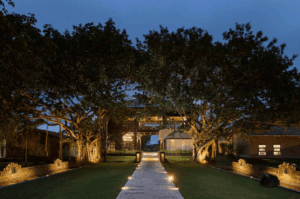
Explore the hotel’s accommodation and current offers, or contact Ayugiri Ayurveda Wellness Resort for help planning your stay. Answering these questions at home means your days near Sigiriya focus on going to the programme and resting.


