
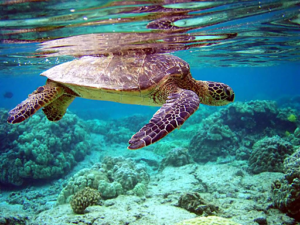
Sri Lanka’s southern coast is closely linked with sea turtles. Five of the world’s seven sea turtle species nest on Sri Lanka’s beaches: green turtles, olive ridleys, hawksbills, leatherbacks and loggerheads. Green and olive ridley turtles are recorded more frequently, while nesting by the other three species is less common.
These animals spend most of their lives at sea, yet their survival is also tied to what happens on land. Female turtles need suitable beaches for nesting, hatchlings need a clear path to the water, and all turtles depend on cleaner seas with fewer plastics, ropes and discarded fishing materials.
Sea turtle conservation in Sri Lanka therefore depends on more than protecting individual nests. It also requires education, cleaner coastal waters and steady cooperation between communities, schools, businesses and conservation groups. In 2026, Dickwella Resort & Spa marked World Turtle Day in May and World Sea Turtle Day in June through two projects centred on education and direct marine action.
Why Sea Turtle Conservation in Sri Lanka Needs Local Support
Sea turtles face several human-made threats throughout their long lives. Plastic bags and sheets may be mistaken for food. Fishing lines, ropes and nets can wrap around their flippers or necks. Bright lights and close human activity can discourage nesting females and disorient hatchlings as they try to reach the sea.
Coastal development, beach erosion, illegal egg collection and changing sea temperatures add further pressure. Since turtles move between nesting beaches, feeding grounds and open water, no single project can address every risk.
Local work still matters. A clean-up can remove harmful waste from one marine site. A school session can help children understand why nests, hatchlings and beach habitats should be treated with care. These actions become more meaningful when they are repeated and shared within the community.
Bringing Turtle Awareness to Batheegama Vidyalaya
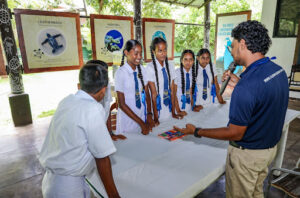
On 23 May, Dickwella Resort & Spa welcomed students from nearby Batheegama Vidyalaya for a World Turtle Day programme.
The session introduced the students to sea turtles, the challenges they face and the simple choices people can make to help protect them. Keeping beaches free from litter, reducing plastic use and respecting nesting sites were explained in ways that connected the subject to the coast where the students live.
This local connection mattered. Conservation lessons can feel distant when they only concern animals seen in books or videos. For children growing up near Sri Lanka’s southern shore, sea turtles are part of the natural heritage of their own community.
The programme gave students room to ask questions and think about how everyday behaviour can affect the sea. It also placed young people within the conservation story rather than treating them only as an audience.
Turning New Knowledge into Chalk Art
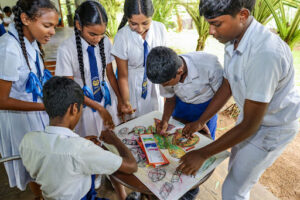
The students then took part in a turtle-themed chalk artwork activity, creating colourful drawings of turtles, oceans and conservation messages.
The activity gave them a creative way to express the ideas covered during the session. Their drawings also added a personal element to the programme, showing how younger members of the community understood the connection between clean beaches and sea turtle protection.
As part of the wider programme, Dickwella Resort & Spa also donated two PC units from LOIT to Batheegama Vidyalaya to support the school’s educational and digital learning needs.
Taking Action at Nilwella Harbour
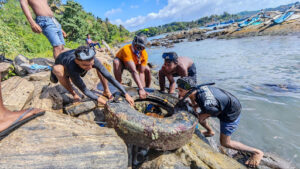
The second project moved from education on land to waste removal in the water.
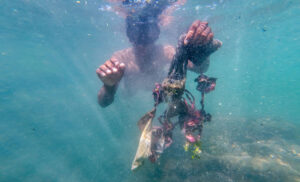
To mark World Sea Turtle Day 2026, Dickwella Resort & Spa joined EarthLanka Youth Network and RDL Corporate Responsibility for an underwater clean-up at Nilwella Harbour. Volunteer staff members took part in a snorkelling-based operation to collect waste from within the harbour.
The team removed plastics, discarded fishing materials, rubber and other solid waste that would otherwise have remained in the marine setting. Harbour waste can settle below the surface, become caught around rocks or move with currents into nearby coastal waters.
Why Marine Waste Is Dangerous for Sea Turtles
Sea turtles can be harmed by marine debris in two main ways: ingestion and entanglement.
Plastic bags and thin plastic sheets may resemble jellyfish or other food. When swallowed, plastic can cause internal injury, block the digestive system or make a turtle feel full even when it has not received enough nutrition.
Discarded fishing lines, nets and ropes create another risk. A turtle caught in this material may struggle to swim, feed or rise to the surface to breathe. Tight lines can also cause wounds and infections.
Rubber and other persistent waste can remain underwater for long periods, adding to the pollution within marine habitats. Removing such waste helps reduce the amount left within places used by fish, turtles and other marine animals.
From Awareness to Shared Responsibility
The school programme and harbour clean-up addressed different parts of the same issue.
At Batheegama Vidyalaya, the emphasis was on knowledge, creativity and habits that children can carry into daily life. At Nilwella Harbour, staff members and partner organisations carried out physical work in the water.
Together, the projects show why sea turtle conservation in Sri Lanka benefits from several forms of participation. Education helps people understand the problem. Clean-ups remove existing waste. Better consumption and waste disposal can prevent more rubbish from reaching rivers, beaches and the sea.
Partnerships also allow each group to contribute in a practical way. Schools can help young people learn. Conservation organisations can provide guidance. Businesses can offer staff time, resources and local support. Community members can help protect the coast through daily choices.
Responsible Travel in Sri Lanka: How Visitors Can Help
These simple habits support more responsible travel in Sri Lanka and reduce avoidable disturbance along nesting beaches.
Simple steps include:
- Carry reusable bottles and bags where possible
- Take all litter away from the beach
- Avoid leaving fishing line, food packaging or cigarette ends behind
- Keep a respectful distance from turtles, nests and hatchlings
- Do not touch, feed or chase turtles in the water
- Avoid flash photography and bright lights near nesting beaches
- Follow instructions from trained wildlife officers or recognised conservation teams
- Choose wildlife experiences that place animal welfare before visitor photographs
Visitors who find an injured, stranded or entangled turtle should avoid attempting a rescue without trained help. The animal may be stressed, injured or difficult to handle safely.
A South Coast Stay Connected to Its Community
Dickwella Resort & Spa’s work with local students, conservation groups and volunteers reflects the role that sustainable hotels in Sri Lanka can play in caring for the coast and supporting the communities around them.
The programme at Batheegama Vidyalaya helped young students understand why sea turtles need protection, while the underwater clean-up at Nilwella Harbour addressed one of the visible threats found in the marine environment. Together, these projects connected learning with practical action and showed how local partnerships can support long-term care for the ocean.
Guests planning a south coast stay can explore the resort’s rooms and suites, review its current offers, contact Dickwella Resort & Spa or learn more about its other sustainability and community projects.


