
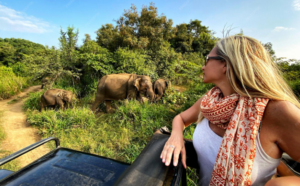
Sri Lanka is one of the few places where wildlife feels close to everyday travel. Within a few hours, the scenery can change from quiet beaches to dry plains filled with elephants or thick forests where leopards move silently through the trees.
Despite its small size, the island contains several national parks with different landscapes and animal populations. Because travel distances remain short, many travellers include at least one safari while exploring the country.
If you are planning a nature-focused trip, this guide explains the best wildlife safaris in Sri Lanka, what each park offers and how to choose the right one for your journey.
Why Sri Lanka Is Ideal for Wildlife Safaris
Sri Lanka supports a wide range of ecosystems, which allows many animal species to live within a relatively small island.
During one trip, you may encounter:
- Asian elephants
- Leopards
- Sloth bears
- Crocodiles
- Migratory birds
- Dolphins and whales
Most national parks offer guided jeep safaris, allowing visitors to observe wildlife while travelling through protected habitats.
Because many parks are located near cultural or coastal regions, wildlife experiences can easily be combined with other parts of a Sri Lankan itinerary.
Yala vs Wilpattu: Best National Parks for Leopard Safaris
Leopards are one of the most sought-after animals during wildlife safaris in Sri Lanka. Two parks are especially known for sightings.
Yala National Park
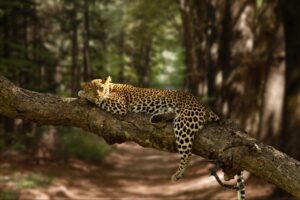
Yala National Park, located in the south-east of Sri Lanka, is one of the country’s most visited safari destinations. It is known for having the highest density of leopards in the world.
The park includes scrub forest, lagoons and open plains that support many species.
During a safari, you may see:
- Leopards resting on rocky outcrops
- Elephants crossing open plains
- Crocodiles near waterholes
- Deer, wild boar and birdlife
Early morning drives usually offer the best conditions for wildlife sightings.
Best time to visit Yala: February to June.
Wilpattu National Park
Wilpattu National Park is the largest national park in Sri Lanka and offers a quieter safari experience.
The park is known for natural lakes called villus, which attract animals during the dry season.
Wildlife commonly seen here includes:
- Leopards
- Sloth bears
- Spotted deer
- Crocodiles
- Numerous bird species
Because the park receives fewer vehicles than Yala, safaris here often feel more peaceful.
Best time to visit Wilpattu: February to October.
Udawalawe vs Minneriya: Best Elephant Safaris in Sri Lanka
Elephants are the most frequently seen animals during wildlife safaris in Sri Lanka. Two parks offer particularly strong viewing opportunities.
Udawalawe National Park
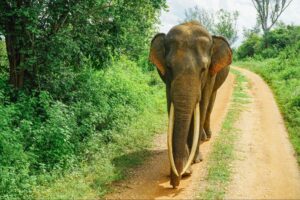
Udawalawe National Park is widely recognised for its large elephant population.
The landscape consists mainly of open grasslands around the Udawalawe Reservoir, which makes animals easier to spot compared to dense forest parks.
Visitors often see:
- Elephant herds grazing
- Families walking between water sources
- Young calves staying close to their mothers
Because visibility is good and roads are relatively accessible, a safari in Udawalawe is usually recommended for family adventures that both kids and parents will love. It’s a real chance to watch elephants being elephants, not stressed, not hiding.
Nearby, the Udawalawe Elephant Transit Home rehabilitates orphaned elephant calves before releasing them back into the wild.
Best time to visit Udawalawe: Year-round, with good viewing from June to September.
Minneriya National Park
Minneriya National Park lies within Sri Lanka’s Cultural Triangle and is famous for the greatest Elephant Gathering in Asia.
Between July and October, hundreds of elephants gather around the Minneriya Reservoir as water becomes scarce in nearby forests.
Visitors may see:
- Large elephant herds drinking and grazing
- Calves playing in shallow water
- Dozens of elephants spread across open grasslands
- Late afternoon safaris usually provide the best viewing.
Best time to visit Minneriya: July to October.
Lesser-Known Wildlife Safaris: Kaudulla, Kumana and Bundala
Some parks receive fewer visitors but offer rewarding wildlife experiences.
Kaudulla National Park
Kaudulla National Park lies close to Minneriya and sometimes hosts elephant herds when water levels shift between reservoirs.
Wildlife sightings often include:
- Elephant herds
- Sambar deer
- Water buffalo
- Wetland birds
Because of its open grasslands and lakes, Kaudulla is also popular for birdwatching.
Best time to visit Kaudulla: July to October
Kumana National Park
Kumana National Park sits along Sri Lanka’s south-eastern coast and is well known for its birdlife.
During migration season, the park’s wetlands attract large numbers of birds.
Common sightings include:
- Pelicans
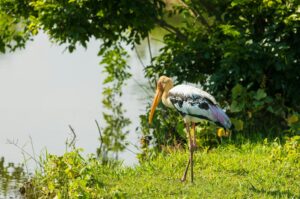
- Painted storks
- Herons
- Egrets
Elephants, crocodiles and occasionally leopards also live within the park.
Best time to visit Kumana: April to July.
Bundala National Park
Bundala National Park is Sri Lanka’s first Ramsar wetland reserve, recognised for its ecological importance.
The park includes lagoons, sand dunes and salt flats that support many species.
Visitors may see:
- Flamingos during migration
- Pelicans and painted storks
- Crocodiles and monitor lizards
- Small elephant herds
Because Bundala is less crowded than many parks, safaris here often feel calm.
Best time to visit Bundala: October to March.
Marine Wildlife: Whale Watching in Mirissa
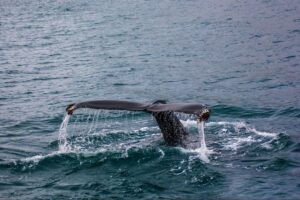
From the southern coastal town of Mirissa, boats travel into deeper waters where visitors may see:
- Blue whales
- Sperm whales
- Spinner dolphins
These excursions usually begin early in the morning when sea conditions are calmer.
Best time to visit Mirissa for whales: November to April
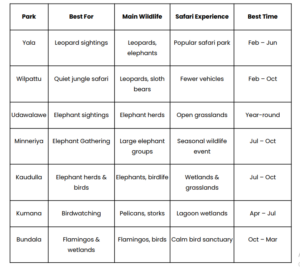
Quick Comparison of the Best Wildlife Safaris in Sri Lanka
Staying Close to Sri Lanka’s Wildlife Regions
Sri Lanka’s national parks are spread across different regions. Choosing a stay nearby can make safari days more comfortable, especially when early morning drives are involved.
Several properties within the Browns Hotels collection are positioned along key travel routes, allowing travellers to combine wildlife, culture and coastal experiences during one journey.
Cultural Triangle Safaris – Hotel Sigiriya
Travellers exploring the Cultural Triangle may stay at Hotel Sigiriya, which provides convenient access to Minneriya and Kaudulla National Parks. The setting near Sigiriya Rock offers a quiet place to return after a day spent on safari.
Starting a Safari Journey from Negombo – Club Hotel Dolphin
Visitors beginning their trip near Colombo may consider Club Hotel Dolphin in Negombo. Its location near the international airport makes it a practical base before travelling towards the southern wildlife parks.
Southern Coast Wildlife Experiences – Dickwella Resort and Spa
Travellers planning whale watching in Mirissa may stay at Dickwella Resort and Spa, which offers a calm oceanfront setting along the southern coast.
What to Know Before a Wildlife Safari in Sri Lanka
A little preparation can improve both comfort and wildlife viewing.
Choose The Right Time Of The Day:
- Morning safaris (around sunrise) often offer cooler air, softer light for photos, and active wildlife, especially big cats.
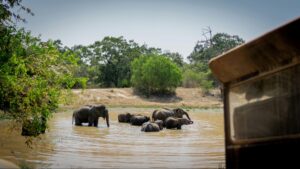
- Evening safaris (or late‑afternoon) are excellent for watching elephants gather around waterholes.
Wear Neutral Clothing:
- Beige, green or brown clothing helps blend into the environment
Bring Basic Equipment:
- Binoculars
- sun protection
- camera with a zoom lens
Respect Wildlife Distance:
- Keep noise low
- Maintain safe viewing distances
Book Your Safaris Early:
- Popular parks such as Yala and Minneriya can become busy during peak seasons.
Plan the Best Wildlife Safari in Sri Lanka
Sri Lanka offers remarkable wildlife experiences within a relatively small island. From leopard habitats in Yala to elephant gatherings in the Cultural Triangle and whales along the southern coast, each region reveals a different side of the island’s natural world.
When planning your trip, consider building your itinerary around these national parks and choosing accommodation that keeps travel times manageable.
With thoughtful planning, a wildlife safari can become one of the most memorable parts of travelling through Sri Lanka.


